[ book a demo ]
[ book a demo ]
Book a 30-minute demo with the Scalerrs team
Book a 30-minute demo with the Scalerrs team. We’ll uncover any growth opportunities you have.


Scale your pages without putting your domain at risk. Our SEO strategists plan every programmatic page to rank on Google, get cited by AI, and turn visitors into sales conversations.
































We group your keyword research into repeatable search patterns, such as integrations or competitor alternatives. Each pattern becomes a page type, ranked by its demand and how close it sits to a sale, so you build the valuable ones first.
For every page type, we write a brief that sets the structure and leaves room for research on each page. Your developers get template specs and Figma recommendations to build from, with the data behind every field spelled out.
Every page needs real information to be useful, such as the setup steps for an integration or current pricing. We decide what that looks like for each page type, then review sample pages before launch so none go live thin or padded with generic AI filler.
We plan internal links and sitemaps so Google finds and crawls new pages quickly. Each template gets a clear call to action and conversion tracking, so you can see which page types lead to booked calls.
Your engineers can build templates fast, but they can't tell which page types deserve to exist. Without a strategist setting the rules, you end up with thousands of tidy pages that rank for nothing.
A senior SEO costs around $100K a year, and few have scaled programmatic pages before. Even then, you still need data work and developer time, so one hire covers only part of what the project needs.
A team launching its first programmatic project has nothing to compare against. We've watched what ranks and what Google filters out across 80+ SaaS and tech companies, so you skip the templates that were never going to work.




Our kickoff covers your ICP and your revenue goals for the next two quarters. We set up your client portal and a shared Slack channel, then audit your CMS and the product data you already hold, so the plan fits what your team can build.
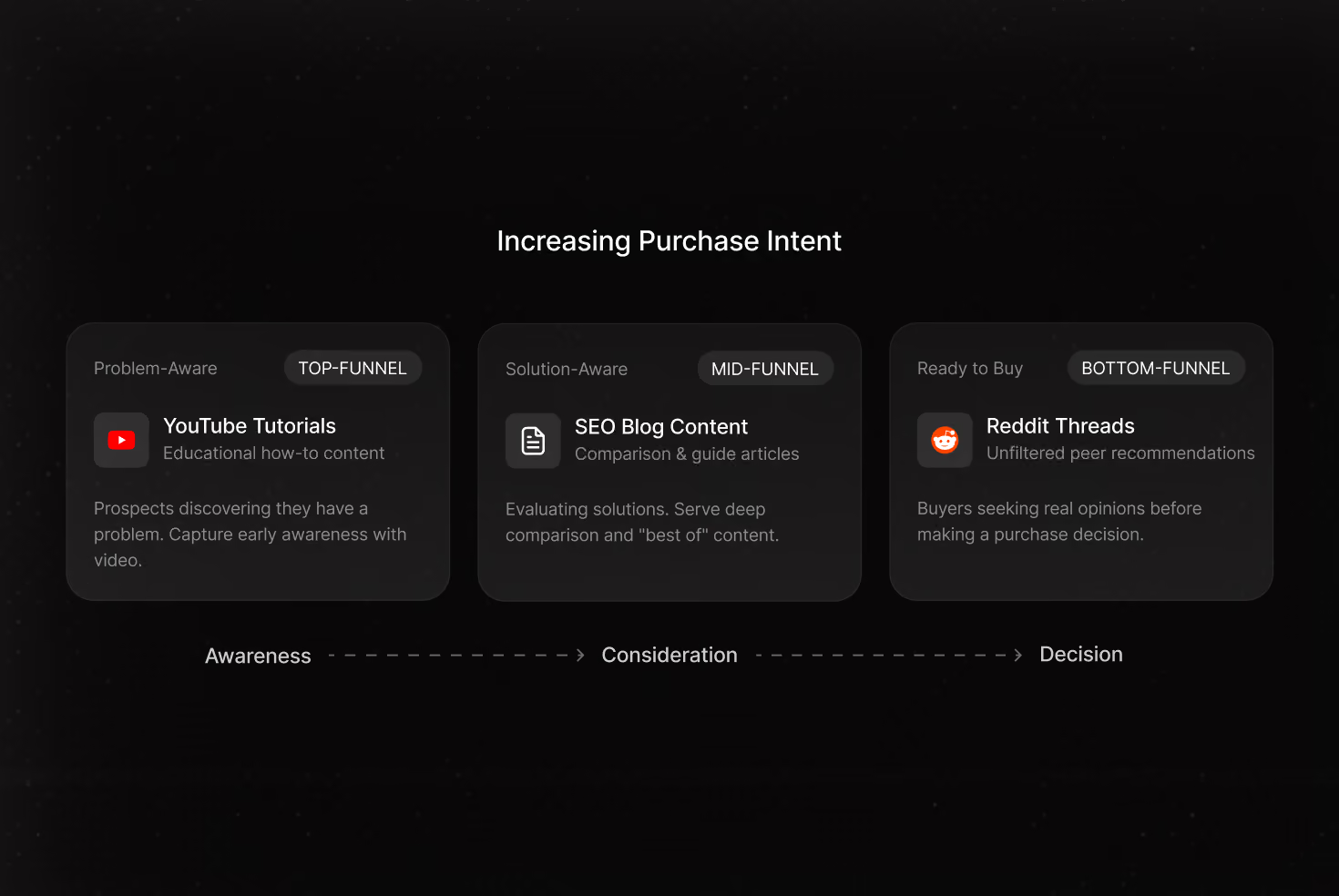
We look for repeatable searches buyers run when they're close to choosing a vendor, like "[competitor] alternatives", "[your tool] + [integration]" or "best [category] for [industry]". We check which ones competitors already rank for and which ones buyers also ask ChatGPT and Perplexity, and you approve every keyword set before we plan a page.
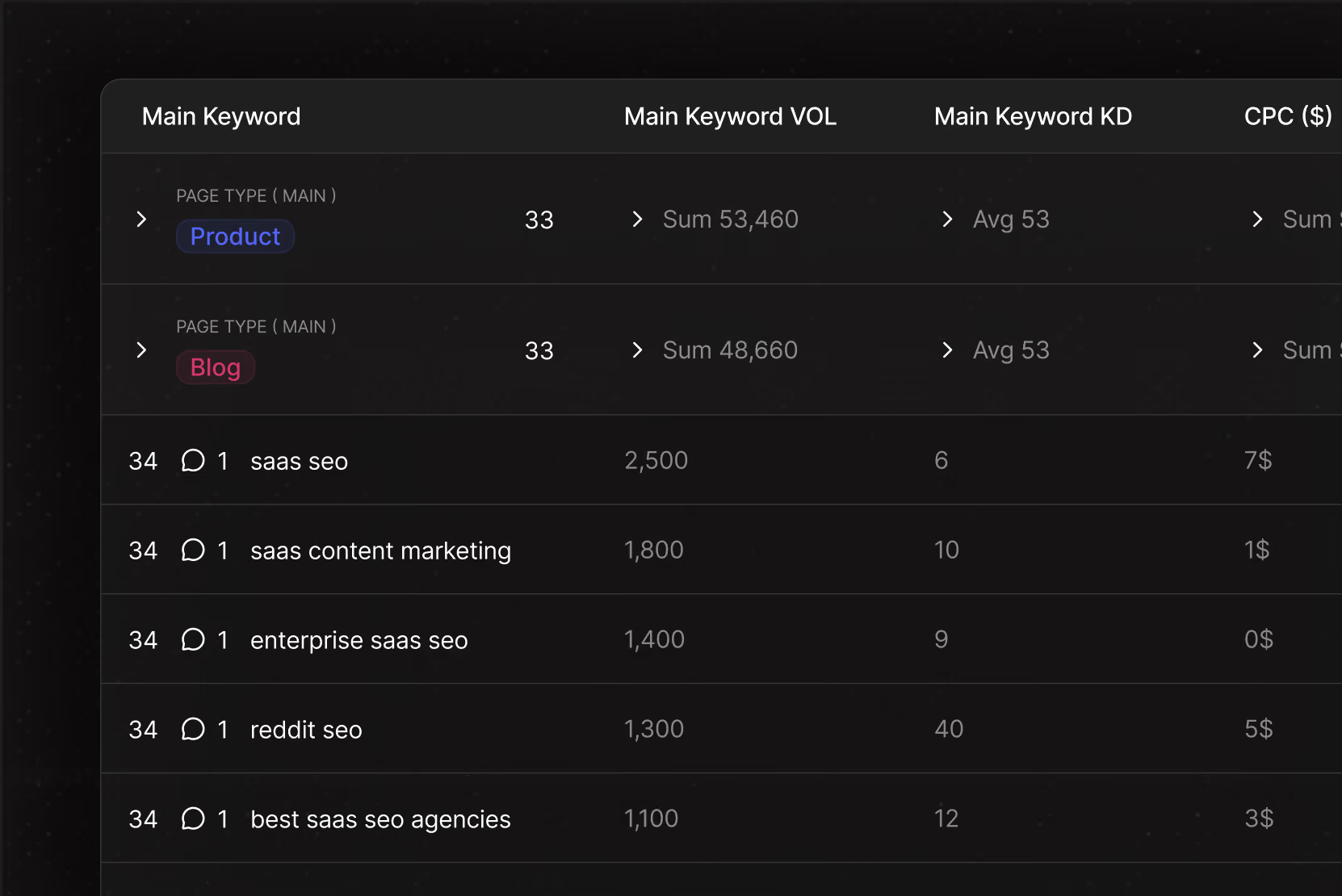
Each search pattern becomes a page type, scored by buying intent and by whether you have the data to make every page useful. The strongest page types go into a 90-day roadmap you can see and comment on live.
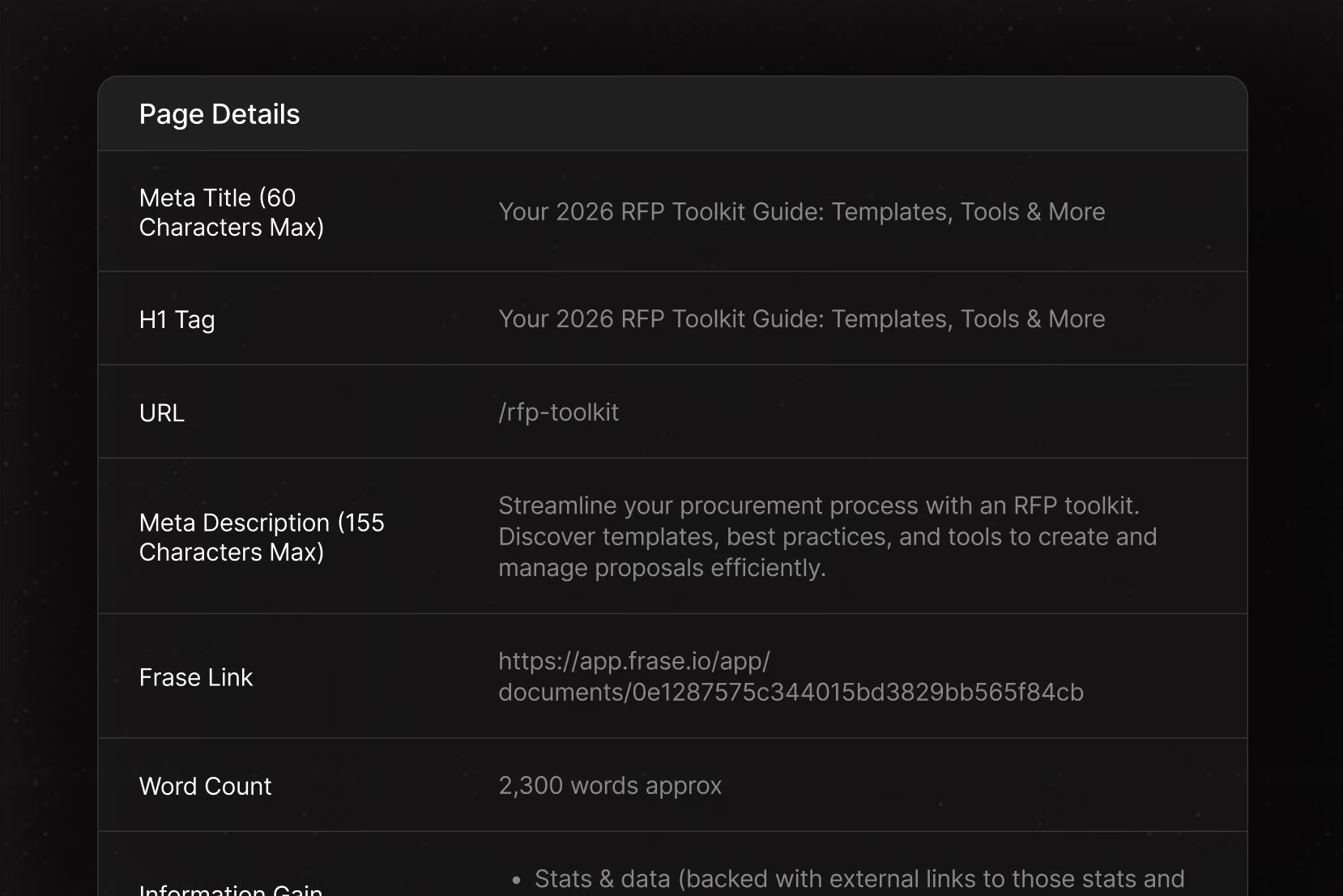
Every page type gets a brief covering search intent, page structure and the data each section needs, with clear answers AI tools can quote. Our brief process pulls in SERP data and your brand rules, and your developers get each spec as a ticket with acceptance criteria and Figma recommendations.
Automated checks flag near-duplicate pages and empty data fields across the whole set. A strategist then reviews sample pages against Google's spam policies and your positioning, and fixes anything the tooling can't judge.
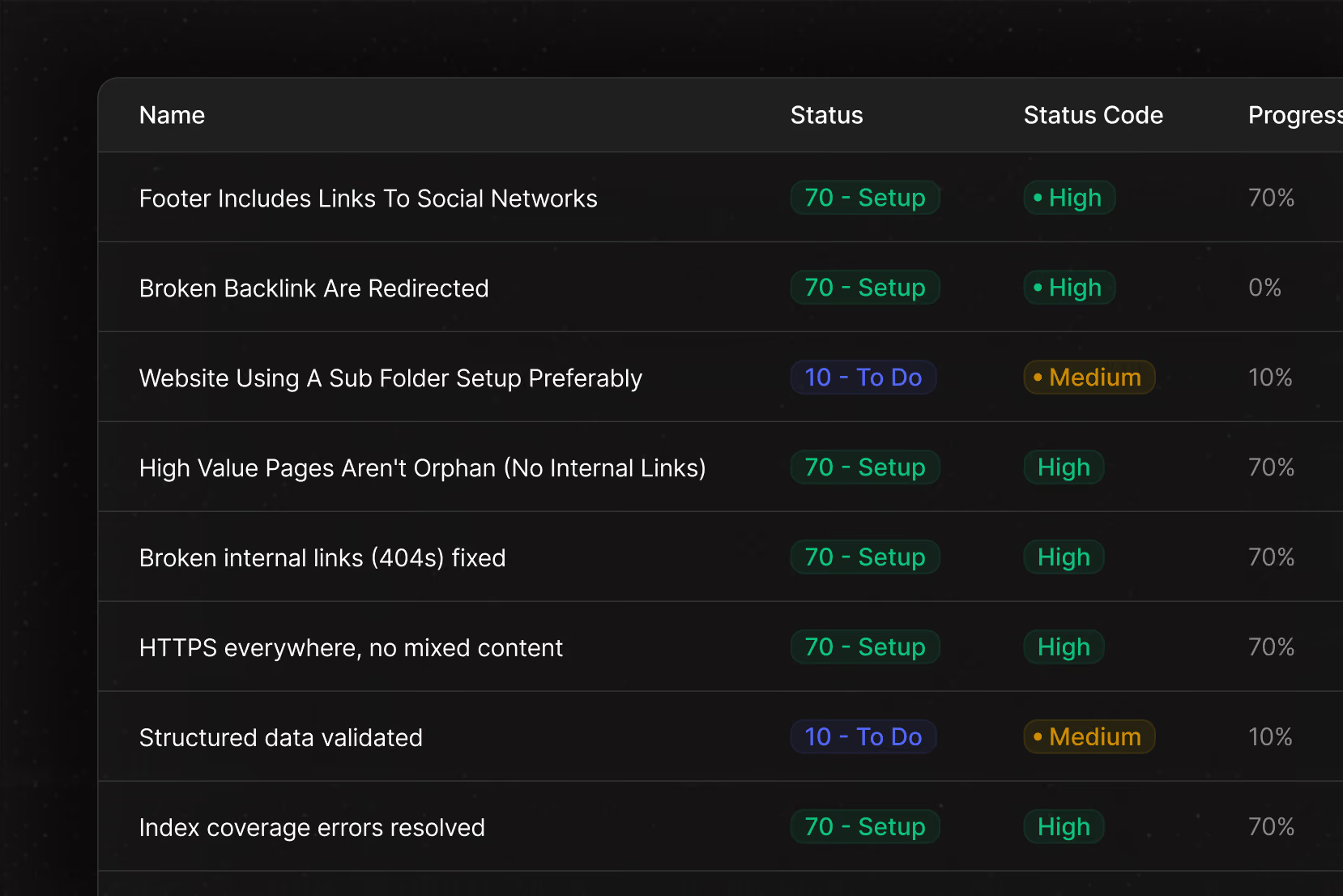
We launch a first batch, link to it from your highest-traffic pages and track indexing in Search Console. Once those pages are indexed and ranking, we release the next batch, so Google spends its crawling time on pages that earn it.

Thousands of new pages need authority behind them to rank. Through outreach and digital PR, we earn links from DR 60+ SaaS and tech sites and point them at your hub pages, so that authority flows down to every page in the set.
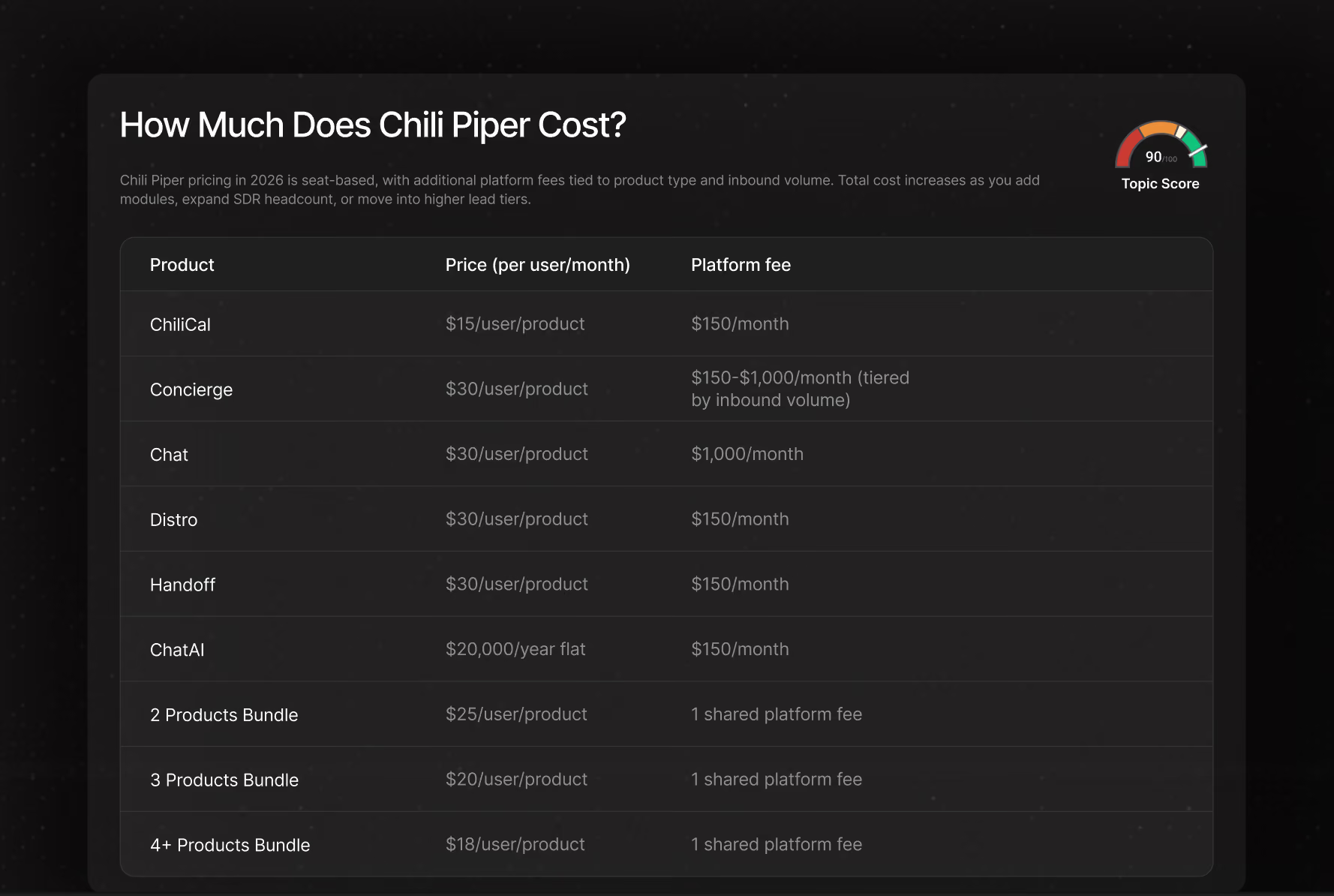
Our tooling flags page types with falling rankings or high bounce rates. We test new CTAs and title formats on one template, then roll the winner out across every page it powers.
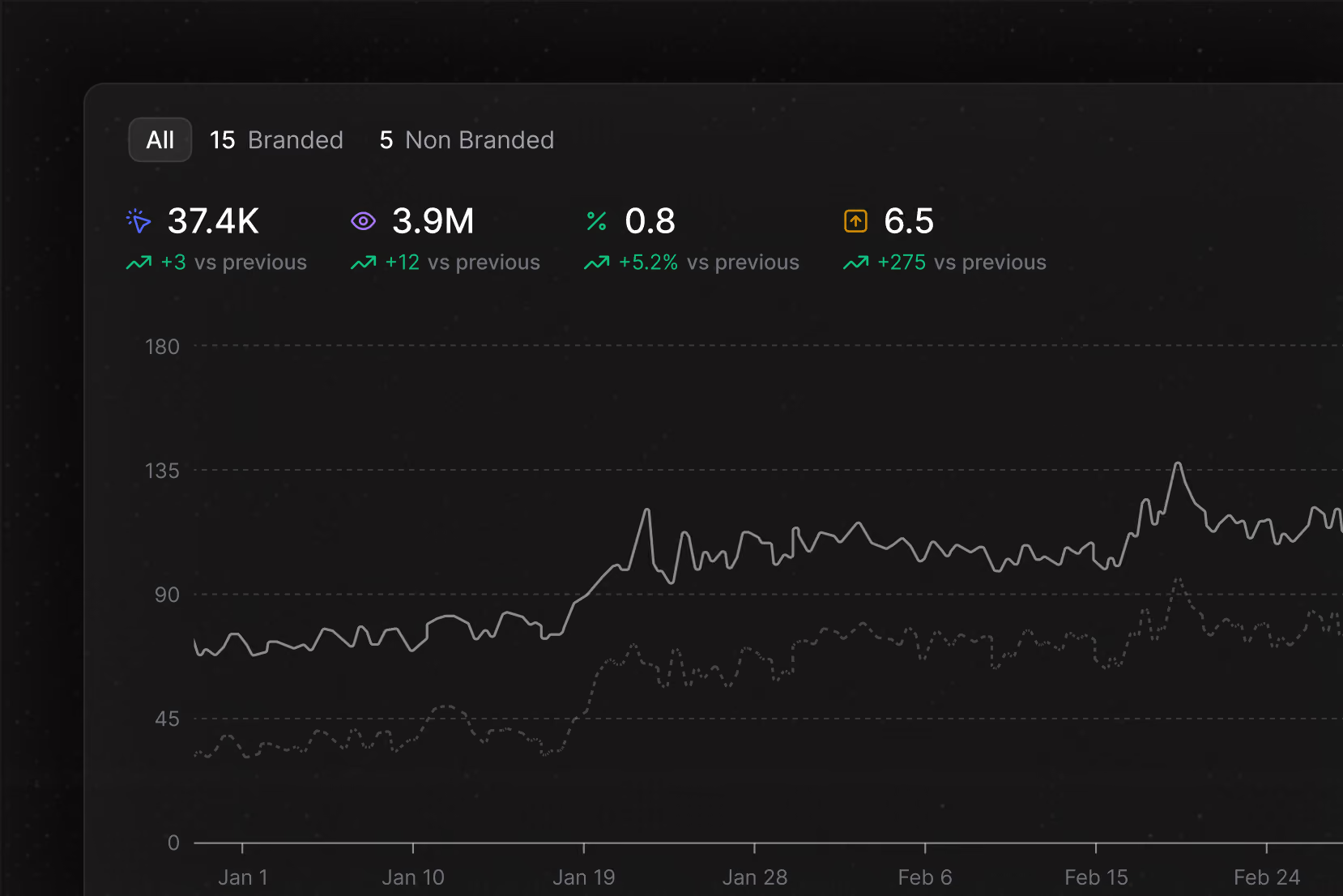
You get weekly Slack updates on what shipped and a monthly report showing the rankings and AI citations each page type earns, plus the SQLs it brings in. Enterprise teams also get a live dashboard and quarterly business reviews.



We can confidently say about 30% of our pipeline comes from SEO & AEO. We also got over 300K in pipeline from SEO for no additional work and it is compounding month over month.

"We can confidently say about 30% of our pipeline comes from SEO & AEO, which wasn't the fact at all. In the last month, we got over 300K in pipeline from SEO for no additional work, which is crazy. It is compounding month over month. And I'm sure it's going to grow even further."

"We're the highest-cited domain and often rank #1 for comparison queries. We also generated over 4,000 referral visits from AI search."

"We've had a significant increase in AI search traffic and we already knew this was converting well. When we run tests on specific LLMs, we see SEO articles and Reddit threads that you guys worked on being referenced and pulled up in the chat."


”Scalerrs were really early on LLM search, and that was one of the reasons we wanted to work with them. People self-attributing that they heard about us on ChatGPT, Perplexity, Claude has doubled since we brought them on.”


"Most SEO agencies aren't even thinking about changing for AI search. They're more scared of it. You guys have done a really good job not just doing the work so we come up in AI search engines, but also showing us why we should be doing the work."


"As we started engaging with Scalerrs, we really saw our inbound channel, both in the amount of visits and more importantly the amount of leads and the quality of those leads, go up."


"In the last 6 months, we’re seeing a lot of referrals coming from organic AI search. I think we forget sometimes that you are an agency because you feel very much a part and extension of our team."


“Keywords in position 1-3 have grown from ~100 to 600 in 18 months. We've seen significant traffic growth (3-5x) and more qualified leads from SEO than we were seeing previously. We're very pleased with these results... Scalerrs are also very revenue-oriented compared to other agencies I've come across.”





A programmatic SEO agency like Scalerrs helps you build large sets of pages from templates and data, with each page targeting a specific search your buyers make. Our strategists plan the page types and write the briefs and specs. Your developers build the templates, and we check that every page is useful enough to rank.
It can if the pages are thin. Google's spam policies target pages made at scale mainly to rank, whether people or AI wrote them. We only plan page types backed by real demand and real data, and we review samples before launch so each page gives searchers something worth reading.
We use automation where it saves time, such as drafting briefs and checking pages at scale. We don't fill templates with generic AI text. Every page type starts with a strategist-written brief, and each page draws on real data about your product and market.
Many agencies report on how many pages went live. Our reports show which page types bring in signups and demos, and we rework or cut the ones that don't. You also work directly with SEO strategists who plan each page type around buying intent and check the output before it launches.
No. Your developers or build partner own the build. We give them the specs and data requirements for each template and review the output before anything goes live, answering their questions along the way.
Yes. Buyers ask AI tools long-tail questions like "best CRM for real estate teams", and those tools often pull from pages that answer that exact question. We write each page to give a clear, specific answer. We also make sure AI crawlers can read that answer, since most of them can't load content that depends on JavaScript.
The first batch usually starts getting indexed within a few weeks of launch. Rankings and demo requests build over the following two to four months as Google crawls the full set. You'll see the early numbers in our weekly updates.
Every engagement is scoped to the number of page types and the build support you need. After a discovery call, we send a proposal with clear costs. We work month to month, so you're never locked into a long contract.